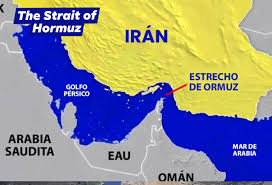
Oil is above $105 a barrel this morning. The Strait of Hormuz — the world's most critical energy chokepoint, through which one-fifth of all globally traded oil passes daily — has been effectively closed for sixteen days. Brent crude touched $120 before paring gains; the IEA says this is "the largest supply disruption in the history of the global oil market." And while America watches Iranian drones light up the Persian Gulf, a far more dangerous battle is quietly unfolding 7,500 miles away — inside the bond trading desks of Beijing and the auction rooms of the United States Treasury.
This isn't conspiracy theory. This is game theory — and every adversary America has is playing it right now.
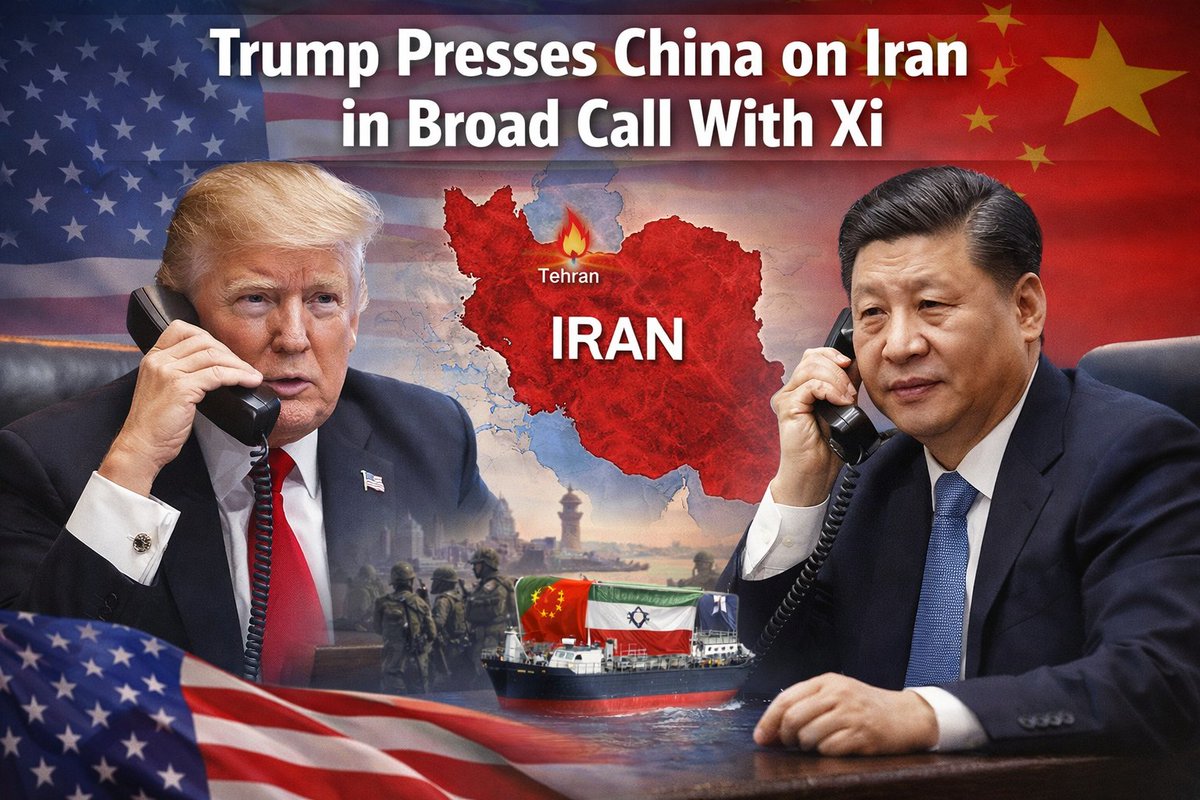
As of this writing, not a single country has publicly committed warships to Trump's plea to reopen the Strait. China says it wants "de-escalation." The UK says it "will not be drawn into the wider war." Japan's prime minister says Tokyo has "not made any decisions whatsoever about dispatching escort ships." France's warships remain in a "defensive posture" in the Mediterranean. Spain barred U.S. military planes from its bases entirely.
They are all making popcorn. And the bond market is watching.
"The war in the Middle East is creating the largest supply disruption in the history of the global oil market." — International Energy Agency, Oil Market Report, March 2026

THE ANATOMY OF A $39 TRILLION TIME BOMB
The United States will cross $39 trillion in total public debt within days — the JEC projects approximately March 25, 2026, at the current rate of accumulation. As of March 4, total gross national debt stood at $38.86 trillion, growing at $7.23 billion per day, $301 million per hour, $5 million per minute. That works out to $113,638 for every man, woman, and child in America, or $288,283 per household.
But the headline number obscures the real danger. Of that total, $31.27 trillion is "debt held by the public" — Treasury bills, notes, and bonds traded daily on global markets. This is the liquid, tradeable portion of the debt. This is the weapon.
Security Type | Outstanding | % of Total | Risk Profile |
|---|---|---|---|
Treasury Notes (2–10 yr) | $15.76T | 50.4% | Core mid-term rollover vulnerability |
Treasury Bills (<1 yr) | $6.81T | 21.8% | Constant rollover; acute rate sensitivity |
Treasury Bonds (20–30 yr) | $4.20T | 13.4% | Long-duration; extreme price volatility |
TIPS, FRNs & Other | $4.50T | 14.4% | Inflation-linked; cost rises with CPI |
TOTAL MARKETABLE DEBT | $31.27T | 100% | — |
Here is the number that should terrify you: $6.81 trillion in Treasury bills mature in less than one year. That means the U.S. Treasury must roll over nearly $7 trillion in short-term debt in the next twelve months alone — finding new buyers, at new auction rates, in a market now rattled by war, oil shocks, and rising inflation expectations. Add the notes and bonds maturing in the next two to three years, and you are looking at more than $10 trillion in debt that must find willing buyers before 2029.
Every single one of those rollovers is an auction. Every auction is a vote of confidence. And right now, the world is watching.
THE INTEREST DEATH SPIRAL — $1 TRILLION AND COUNTING
In fiscal year 2025, the United States paid $970 billion in net interest on the national debt — nearly tripling from $345 billion in 2020. The Congressional Budget Office projects interest payments will exceed $1 trillion in fiscal year 2026 and climb to $2.1 trillion by 2036.
Read that again. Interest on the debt — not defense, not Social Security, not Medicare — will be the fastest-growing line item in the federal budget for the next decade. By 2029, interest payments will officially surpass Medicare spending, making debt service the second-largest federal "program" after Social Security. By 2036, one out of every four dollars the government collects in tax revenue will go straight to creditors. Not roads. Not schools. Not veterans. Creditors.
Fiscal Year | Net Interest | % of GDP | % of Revenue | Context |
|---|---|---|---|---|
2020 | $345B | 1.6% | ~10% | Near-zero rates; COVID spending begins |
2024 | $881B | 3.0% | ~18% | Surpassed defense & Medicare |
2025 | $970B | 3.2% | ~20% | Record share of GDP; eclipses 1991 high |
2026 (est.) | $1.0T+ | 3.3% | ~20%+ | CROSSES $1 TRILLION FOR THE FIRST TIME |
2036 (proj.) | $2.1T | 4.6% | ~26% | $1 of every $4 in revenue → interest |
The average interest rate on total marketable debt is currently 3.355% — up from 1.512% just five years ago. That may sound modest. It is not. When applied to $31 trillion in debt, every single basis point increase costs taxpayers approximately $3.1 billion per year. A 1-percentage-point rise in the average rate adds roughly $310 billion annually to the deficit.
And here is the kicker: the deficit for fiscal year 2026 is already running at $1 trillion through just the first five months (October through February), with CBO projecting a full-year deficit of $1.9 trillion. The United States is borrowing $308 billion per month to keep the lights on. Every dollar of that borrowing must be sold at auction to willing buyers — domestic or foreign.
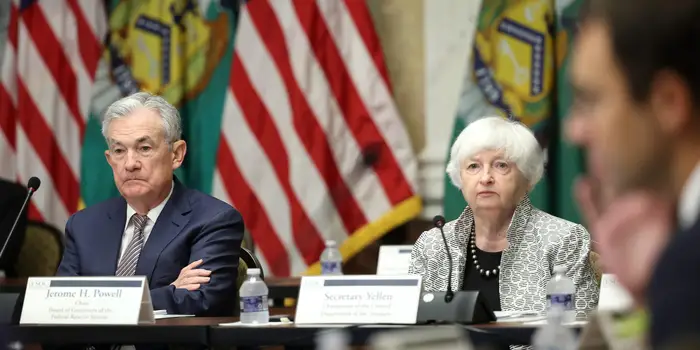
The Committee for a Responsible Federal Budget put it bluntly: the country is "woefully underprepared" to handle its next financial shock. That shock is here. It's called a war.
WHO HOLDS THE DEBT — AND WHO'S MAKING POPCORN
Foreign nations hold approximately $9.3–$9.4 trillion in U.S. Treasury securities — a record in absolute dollar terms, though the share of total debt held by foreigners has been declining as America's borrowing has outpaced foreign appetite. Thirty cents of every publicly traded dollar of U.S. debt is held overseas.
Country | Holdings | 12-Mo Change | Strategic Posture |
|---|---|---|---|
Japan | $1.19T | +$116B | Ally — but refusing to send ships |
United Kingdom | $0.87T | +$122B | "Will not be drawn into wider war" |
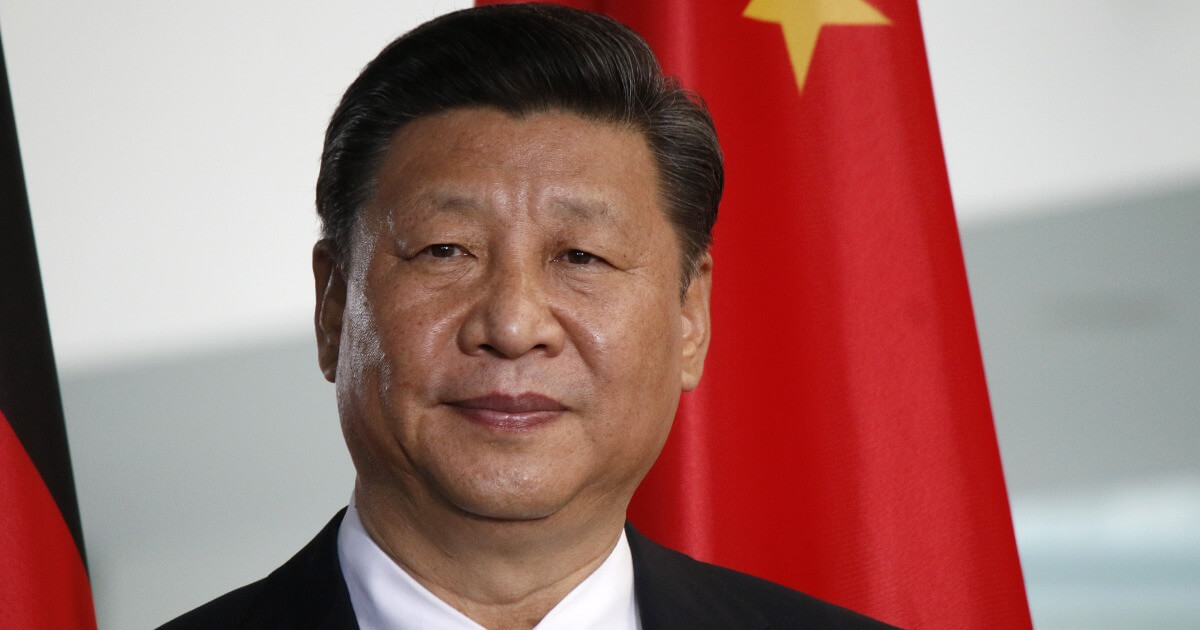
China (PRC) | $0.68T | −$86B | SELLING — 9th straight month of reduction |
Canada | $0.47T | — | Silent on Strait; tariff-bruised |
Belgium (Euroclear proxy) | $0.45T | — | Custodial hub; may mask China exposure |
Cayman Islands | $0.42T (official) | — | True holdings est. ~$1.85T (basis trade) |
Luxembourg | $0.35T | — | EU fund domicile |
Switzerland | $0.30T | — | Neutral |
Ireland | $0.28T | — | Corporate fund domicile |
Taiwan | $0.25T | — | Ally — but China pressure point |
TOTAL ALL FOREIGN | ~$9.4T | — | ~30% of all marketable debt |
Study that table closely. Look at the "Strategic Posture" column. Japan holds $1.19 trillion of our debt and won't send a single ship to help us. The United Kingdom holds $870 billion and says it "will not be drawn into the wider war." Canada holds $470 billion and has been hit with steep tariffs by the very administration now asking for help. Spain — which barred our planes from its bases — is a NATO ally that imports energy through the very chokepoint we can't open.
And then there is China. Holding $680 billion in Treasuries — down from a peak of $1.3 trillion in 2013 — and actively selling for nine consecutive months, pushing exposure to its lowest level since 2008. In February 2026, reports surfaced that the People's Bank of China had issued "window guidance" to the Big Four state banks to begin an "orderly liquidation" of Treasury positions exceeding internal risk thresholds. Gold, meanwhile, has surged above $5,600 per ounce as Beijing aggressively redirects reserves from American paper to physical metal.
The countries that hold our debt are the same countries that are refusing to help us fight our war. That is not a coincidence. That is leverage.
THE BOND MARKET BREAKS THE SAFE HAVEN
Something deeply abnormal happened in the first two weeks of March 2026. In every previous geopolitical crisis — the Gulf War, 9/11, the 2008 crash, COVID — investors fled to U.S. Treasury bonds for safety, pushing prices up and yields down. That is the textbook "flight to safety." It is the fundamental premise of U.S. financial power: when the world panics, it buys American debt.
This time, the opposite happened.
When the Iran war began on February 28, the 10-year Treasury yield was at 3.93%. By March 11, it had surged to 4.26% — the highest in nearly a year. The 30-year yield hit 4.90%. Investors were selling Treasuries, not buying them. Bond prices were falling alongside stocks, which meant there was no safe haven anywhere. As Aberdeen Investments put it: "Government bonds have defied safe-haven status since the conflict began."
Indicator | Pre-War (Feb 28) | Peak Stress | Current (Mar 16) | Direction |
|---|---|---|---|---|
10-Year Treasury Yield | 3.93% | 4.26% | ~4.10–4.20% | RISING (inflation fear) |
30-Year Treasury Yield | ~4.60% | 4.90% | ~4.80% | RISING (deficit + war cost) |
Brent Crude Oil | $72/bbl | ~$120/bbl | $105/bbl | +50% in 16 days |
5-Yr Breakeven Inflation | ~2.4% | Near 1-yr high | Elevated | Oil shock not yet in CPI |
Fed Rate Cut Expectations | 2 cuts in 2026 | 0 cuts priced | 0–1 cut | Fed TRAPPED |
The reason is simple but devastating: this war is inflationary, not deflationary. The oil shock is pushing energy costs higher, which feeds into transportation, food, and consumer prices across the economy. Bond investors know that inflation erodes the purchasing power of fixed-income payments. So instead of buying Treasuries for safety, they're demanding higher yields to compensate for the inflation risk — which means selling existing bonds, pushing prices down and yields up.
"The critical factor remains the war's duration. These reserves buy us a few days, but in reality, it all depends on the opening of the Strait of Hormuz." — Sasha Foss, Marex energy analyst

CHINA'S LOADED GUN — THE TREASURY WEAPON
Let's be precise about what China has been doing — not in the realm of speculation, but in documented fact.
China has sold U.S. Treasuries for nine consecutive months, reducing holdings by $86 billion in the year ending November 2025 — an 11% annual decline that continues a multi-year drawdown from $1.3 trillion to $683 billion. It is now the third-largest foreign holder, having been surpassed by the United Kingdom.
In February 2026, Beijing escalated further. Reports confirmed that the People's Bank of China issued verbal instructions to state-linked banks to limit new purchases of U.S. sovereign debt and begin reducing positions that exceeded internal risk thresholds. The 10-year yield jumped toward 4.25% and the 30-year hit a multi-month high of 4.88% in the immediate aftermath.
Simultaneously, China has been buying gold at record pace — gold now comprises 4.9% of Chinese reserves, the highest since 2015, with prices surging above $5,600 per ounce. The Governor of the People's Bank of China, Pan Gongsheng, has publicly stated that "multipolarity" is the government's goal, with the dollar playing a diminished role. His deputy has doubled down on cross-border payment systems designed to operate entirely outside Western financial networks.
THE HORMUZ-DEBT VISE — A TWO-FRONT ECONOMIC WAR
The diabolical elegance of the current situation — whether or not it was explicitly coordinated between Tehran and Beijing — is that you don't have to choose between spiking oil prices and crashing the bond market. You do both simultaneously, and let the feedback loop do the work.
Step one: Keep the Strait of Hormuz disrupted. Every week it stays closed, oil remains above $100. Inflation re-accelerates. The February CPI showed headline inflation at 2.4% — but the oil shock has not yet hit official data. When it does, in the March and April CPI readings, the numbers will be ugly. The Federal Reserve, which was hoping to cut rates, cannot cut because inflation won't let it.
Step two: In a stagflationary environment with the Fed paralyzed, begin systematic Treasury liquidation. The Fed cannot rescue the bond market with lower rates because that accelerates inflation. It cannot raise rates because that collapses the economy. It is boxed in — and that is precisely where adversaries want it.
Step three: Let politics do the rest. Gas prices rising toward $5 heading into the 2026 midterms. Mortgage rates approaching 8%. A stock market in correction. Interest payments on the debt crossing $1 trillion. Every month the war drags on, the political pressure to capitulate — to make a deal with Iran, to accommodate China on trade, to pull back from the global stage — intensifies.
THE SCOREBOARD — WHERE WE STAND TODAY
Indicator | Current Level | Status |
|---|---|---|
Total National Debt | $38.86T (→$39T by Mar 25) | Record |
Debt-to-GDP Ratio | ~100% | Highest since WWII |
Annual Interest Cost | $1.0T+ (FY2026 est.) | Crosses $1T for first time |
FY2026 Deficit (5 months in) | $1.0T already | On pace for $1.9T full year |
Brent Crude Oil | ~$105/bbl | +50% since Feb 28 |
China Treasury Holdings | $683B | Lowest since 2008; 9 months selling |
Allies Committing Warships | 0 countries | Making popcorn |
Global Oil Supply Disruption | ~15–20M bbl/day | LARGEST IN HISTORY (IEA) |
THE QUESTION WASHINGTON STILL ISN'T ASKING
America is sixteen days into a war with Iran. Oil is above $105. The Strait of Hormuz is closed. The IEA has released the largest emergency oil stockpile in history — and the market barely flinched. 1,000 tankers sit idle. Bond yields are rising instead of falling. The Federal Reserve is paralyzed. China is selling Treasuries for the ninth consecutive month while its central bank buys gold at record pace. Not a single ally has committed a warship. The deficit is running at $1 trillion through five months. Interest payments are crossing $1 trillion for the full year. And the national debt will hit $39 trillion within days.
The question Washington is asking is: How do we win the military campaign?
The question Washington should be asking is: What happens to the next bond auction?
Because Iran's strategy was never about aircraft carriers and missile batteries. It was about time. Time costs money. Money costs debt. Debt costs confidence. And confidence, once lost in a $31 trillion market, does not come back with a press release.
The Committee for a Responsible Federal Budget — the nation's most respected nonpartisan fiscal watchdog — issued its assessment six days before the war started: the United States has never been more financially exposed heading into a potential economic crisis. Debt at 100% of GDP. Interest consuming one-fifth of revenue. No fiscal reserves. No policy flexibility.
And then the crisis arrived.
In 2006, no serious analyst predicted that $500 billion in subprime mortgages could collapse the global financial system. The Treasury market is 62 times larger. The lesson of 2008 was that systemic risk does not announce itself politely. The adversaries of the United States have spent twenty years building the architecture for a multi-vector economic assault — using oil, debt, currency, trade, fentanyl, and immigration simultaneously. The pieces are all on the board. The moment of maximum vulnerability has arrived.
The bond bomb is not ticking. It has already started detonating — one basis point, one failed escort, one nervous auction, one Chinese sell order at a time. The question is whether Washington is listening. Or whether, like 2006, we are too busy congratulating ourselves on the military campaign to notice the financial house is on fire.